Understanding Shoulder Impingement Recovery Time
If you’ve been living with shoulder pain that lingers every time you lift, reach, or sleep on your side, you’ve likely wondered how long recovery actually takes. Shoulder impingement, or sub-acromial pain syndrome, can be frustrating because progress feels slow and unpredictable. The truth is, recovery relies on a variety of factors including how early it’s treated, the rehab method used, and how consistent the exercises are.
This guide breaks down generalized recovery phases, what affects your healing speed, and how modern, data-driven rehab tools like the Humero Tech C1 can help the process. Whether you’re a physical therapist guiding patients or someone recovering from the injury yourself, you’ll learn what to expect, what works, and what actually moves the needle toward full recovery. It’s important to remember to always consult the appropriate healthcare professionals with specific questions or concerns.
What We’ll Cover:
- How long shoulder impingement recovery usually takes
- The key phases of rehab and what happens in each
- Factors that slow down or speed up healing
- How objective, data-driven rehab helps drive recovery
- Common questions people ask about shoulder impingement rehab
Disclaimer: Every individual and case is different and your specific experience may vary. These are general examples in this article and should not be taken as medical advice. Always consult with the appropriate medical professionals.
How Long Shoulder Impingement Recovery Really Takes

Many people can begin to notice improvement within 6 to 8 weeks, but complete recovery can take 3 to 6 months, depending on injury severity and treatment approach. In chronic or advanced cases, full function may take longer, especially when traditional rehab methods rely on subjective assessments.
General recovery benchmarks:
- Mild impingement: 4–6 weeks
- Moderate impingement: 8–12 weeks
- Severe impingement: 4–6 months
What actually defines the speed of your recovery comes down to three things:
- Early diagnosis and consistent rehab
- Correct form and progression in exercise
- Use of measurable, data-backed rehab techniques that guide real-time improvement
Here’s the thing: traditional manual muscle testing can’t always detect subtle progress. When your clinician or trainer uses technology that tracks force, consistency, and movement, every session becomes measurable, and your timeline becomes more predictable.
The 3 Phases of Shoulder Impingement Rehabilitation
Rehabilitation for shoulder impingement isn’t just about getting out of pain. It’s about restoring balance, mobility, and strength in a structured way.
Phase 1: Pain Reduction and Mobility Restoration
Focus: Reduce inflammation and restore pain-free range of motion.
- Rest as needed
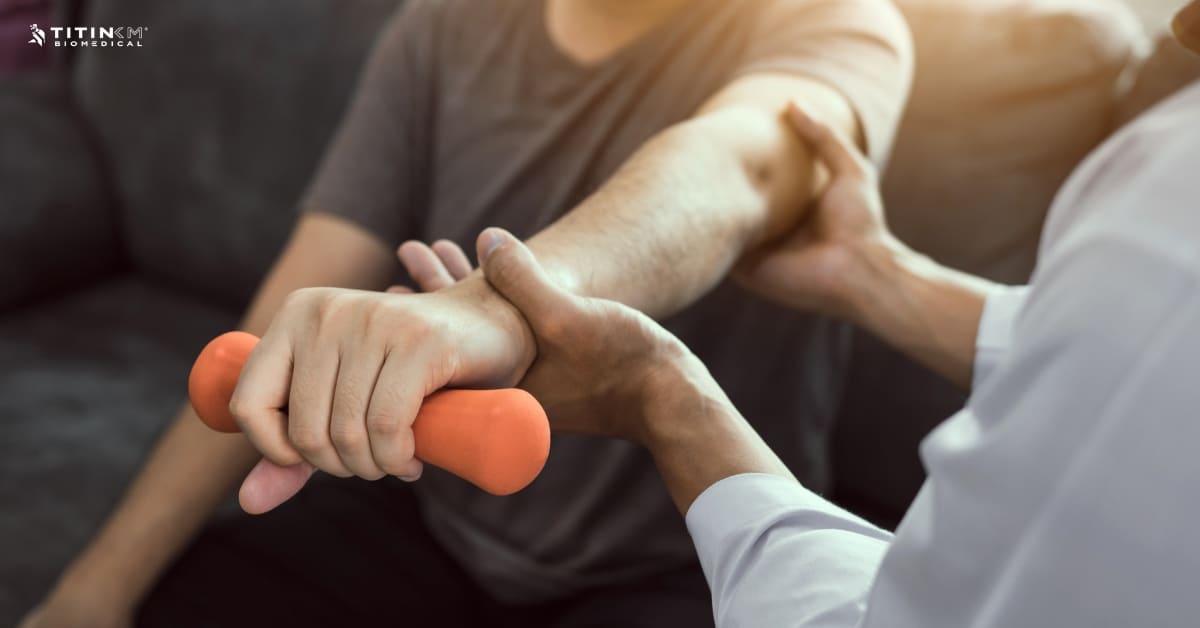
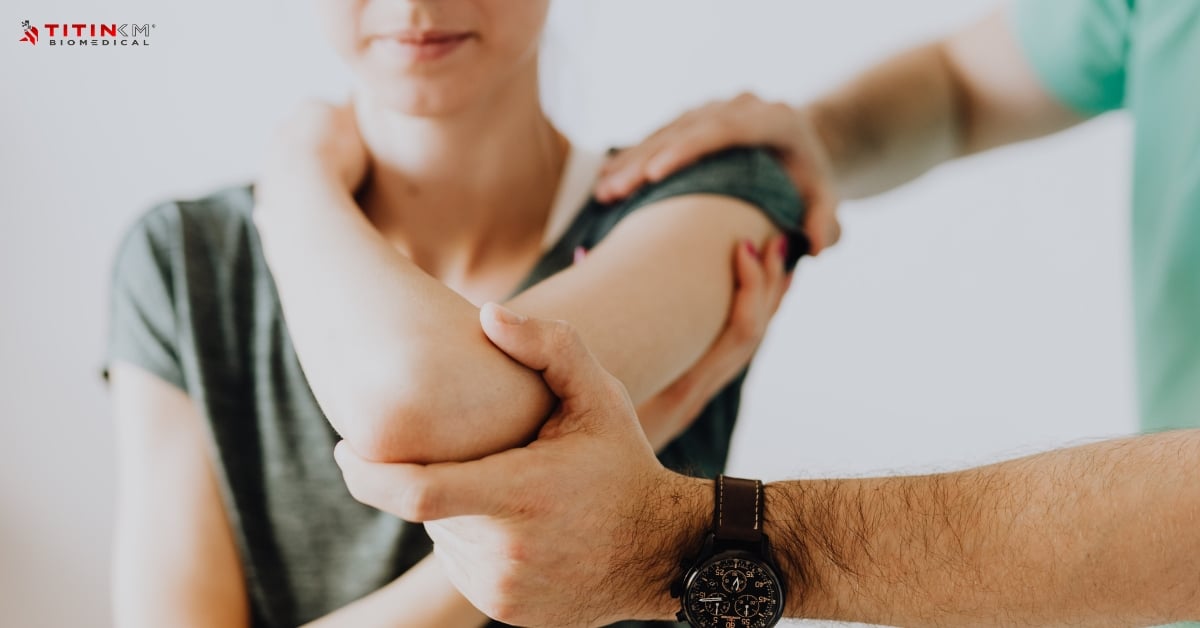
- Gentle passive range-of-motion exercises
- Avoiding aggravating overhead activities
Clinicians often introduce low-load, controlled motion early to prevent stiffness.
Phase 2: Strength and Stability Training
Focus: Rebuild shoulder mechanics and strength.
- Scapular stabilization and rotator cuff strengthening
- Closed-chain and controlled resistance movements
- Gradual load increase based on tolerance
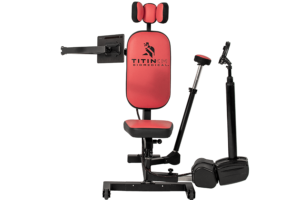
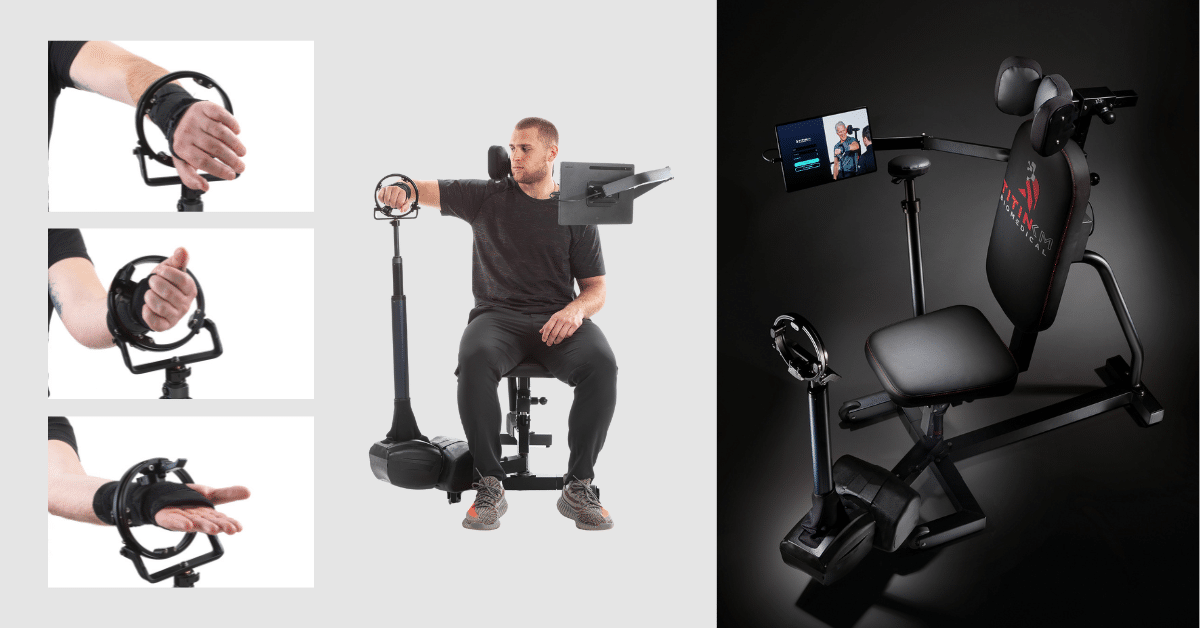
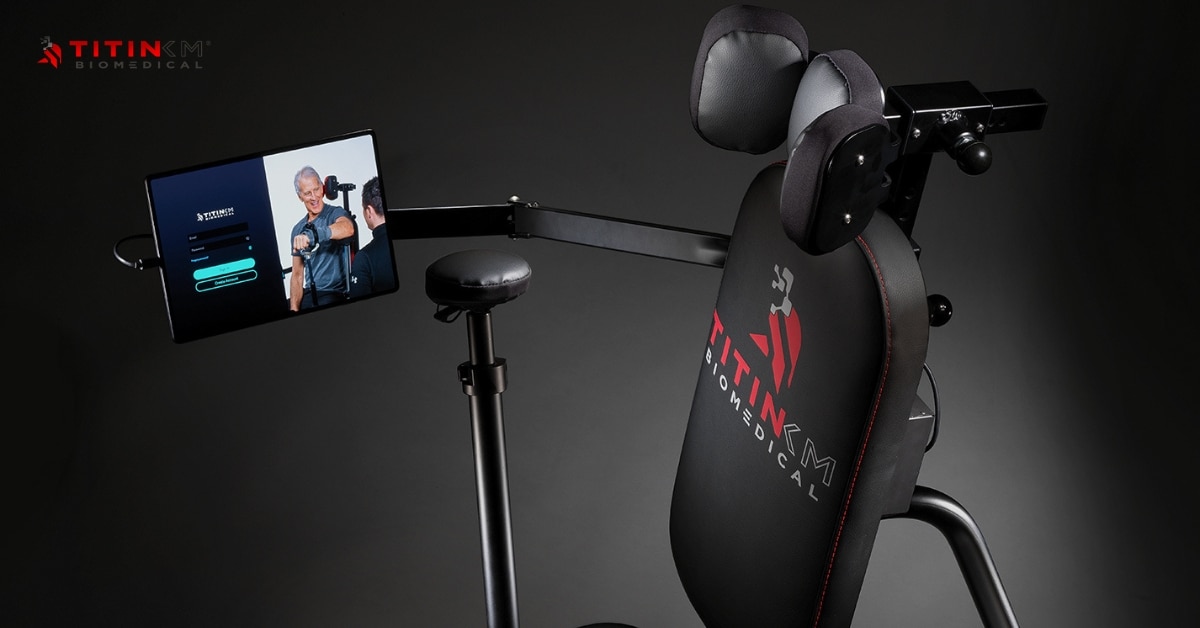
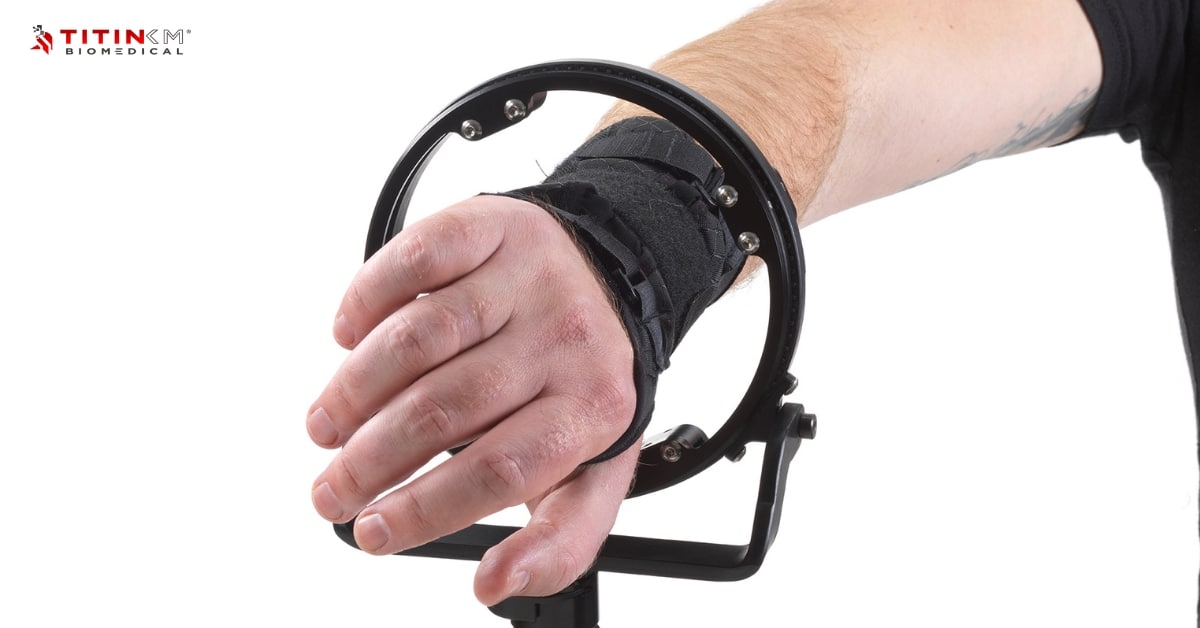
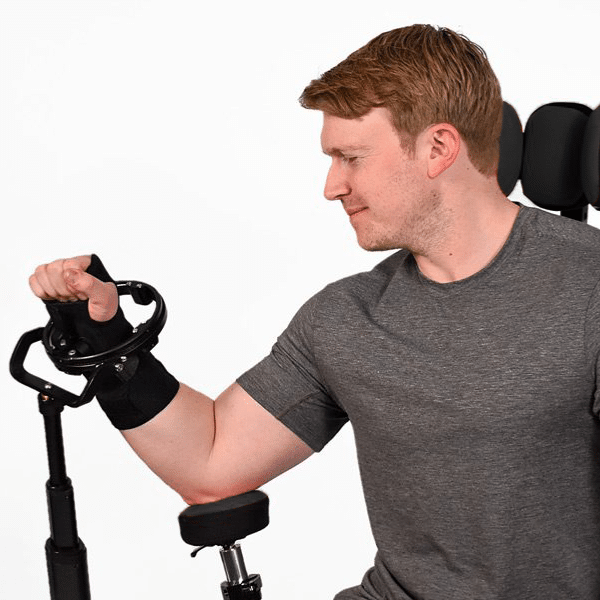
Using a functional rehab device like the Humero Tech C1 allows therapists to apply continuous, omnidirectional resistance, enabling patients to strengthen the shoulder across all planes of motion, not just one at a time. Learn more about its expansive range of motion.
Phase 3: Functional and Performance Recovery
Focus: Return to sport or daily activities with confidence.
- Sport-specific drills or overhead strength restoration
- Power, control, and proprioception exercises
- Data tracking to confirm readiness for discharge
When recovery becomes measurable, patients stay engaged, and clinicians gain proof of true progress using real-time data.
What Affects Recovery Time (and How to Improve It)
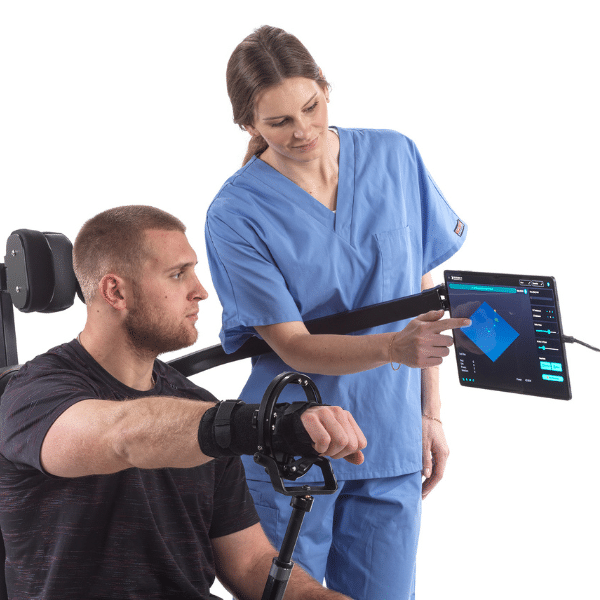
Recovery is rarely linear, but these are the biggest variables that can either accelerate or delay healing:
1. Severity and Duration of the Injury
Chronic inflammation or repetitive strain tends to slow repair. Early intervention can reduce the long-term timeline dramatically.
2. Technique and Consistency
Incomplete or inconsistent rehab is a top reason people plateau. Objective rehab systems that track progression help ensure consistency across sessions.
3. Patient Engagement
The more visible the progress, the higher the motivation. When patients can see data improving, such as strength values or range of motion, adherence can improve, which supports recovery.
4. Clinical Tools Used
Traditional resistance bands and manual testing often miss micro-improvements. Clinics using the Humero Tech C1 can precisely track each movement,helping ensure resistance is applied evenly and recovery is monitored in real time. Explore its key features for clinical precision.
Why Objective, Data-Driven Rehab Changes Everything
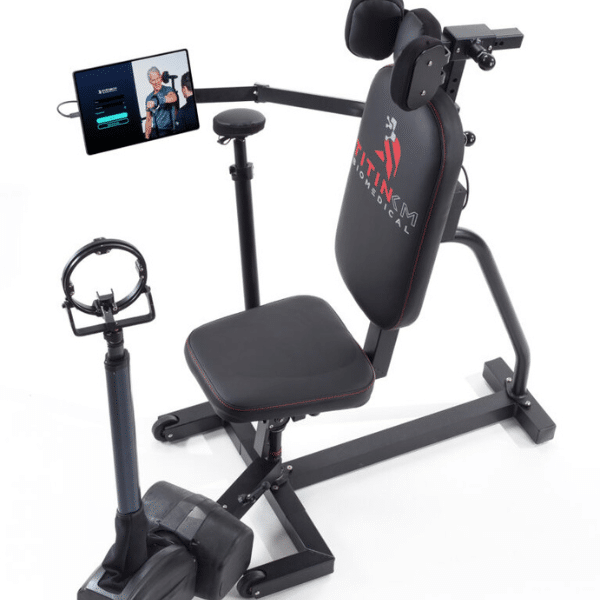
At Titin KM Biomedical, we’ve worked with clinicians, athletic programs, and rehab centers looking for ways to make shoulder recovery measurable and efficient. What we’ve found is simple: you can’t improve what you don’t measure.
The Humero Tech C1 replaces guesswork with objective data, showing both patients and providers where progress is real and where adjustments are needed. That’s technology designed for fewer wasted sessions, higher confidence, and faster return to function.
This approach doesn’t just help clinicians improve outcomes. It helps clinics stand apart by aligning care with Clinical Practice Guidelines (CPG) and evidence-based standards. Learn more about why providers are choosing Humero Tech C1.
✅ Key Advantages of Technologically Driven Rehab:
- Real-time performance tracking
- Multiplanar resistance for natural shoulder movement
- Quantifiable progress metrics
- Help increase patient trust and engagement
Real Expertise, Real Outcomes
Shoulder impingement can feel like a slow, uncertain process, but it doesn’t have to be. By integrating measurable technology and modern rehab protocols, recovery becomes transparent for both patient and provider.
Ready to Take the Next Step?
If you’re a physical therapy provider or athletic program ready to move beyond outdated methods, it might be time to explore what’s possible with Humero Tech C1.
You can:
- Request a demo to see the device in action
- Talk to our team about implementation for your clinic or university
Small changes in technology can create massive shifts in outcomes, and your patients will notice the difference.
Frequently Asked Questions
Move Forward with Confidence
Recovering from shoulder impingement isn’t about how long it takes. It’s about how effectively you rebuild strength and confidence. By combining professional guidance with measurable technology, both patients and clinicians can finally see, track, and celebrate real progress.
If you’re ready to modernize shoulder rehab and offer your patients proof-backed results, explore how the Humero Tech C1 helps transform recovery outcomes.
Related Reads:
- Why Manual Muscle Testing Is Outdated
- Objective Shoulder Rehab: How Data Builds Patient Trust
- The Future of Physical Therapy: Measurable Outcomes in Real Time
Medical Disclaimer: The information provided in this article is for educational and informational purposes only and is not intended as medical advice. It should not be used to diagnose, treat, cure, or prevent any medical condition. Always consult with a qualified healthcare professional regarding any medical concerns, symptoms, or treatment decisions.

- What Is Shoulder Rehabilitation In Sports Medicine? - February 2, 2026
- How Long Does It Take to Rehab Shoulder Impingement? - January 19, 2026
- How To Rehabilitate a Shoulder: Modern Strategies for Measurable Recovery - December 11, 2025